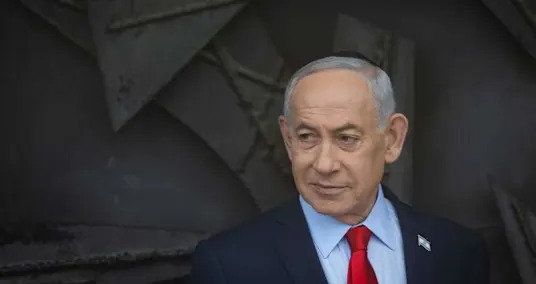
The soldier and bereaved families spoke on the necessity of equal conscription amid the IDF's manpower shortage.
Bereaved families and a wounded soldier spoke on the urgency of equal conscription to Israel’s military during a session of the Knesset’s Foreign Affairs and Defense Committee on Sunday, as lawmakers debated advancing the bill to enforce haredi (ultra-Orthodox) conscription to the IDF.
A severely wounded reservist, who lost his leg and hand in battle, spoke on the need for a law that would ensure haredi conscription to the IDF. Other participants in the panel also discussed necessary changes to the bill in its current form.
The reservist told the panel that he was speaking during Israel’s official appreciation week for wounded soldiers.
“We are in a historic moment in our country, and we need everyone,” the wounded reservist said, calling on haredi men to serve. “The IDF is asking for recruits, and we must respond.”
Promoting integration of the haredi public into workforce
The lengthy meeting continues the marathon discussions on the bill, which have been ongoing since last week. This session focused on section 26G, which deals with “designated vocational training.”

The purpose clause of the bill has several aims, among them promoting the integration of the haredi public into the workforce. It was proposed to delete the section of the bill in the outline so it would not include the goal of promoting haredi employment and instead focus on conscription to the IDF.
IDF representatives justified the change due to the military’s manpower shortage, requiring conscripts to serve in combat, following more than two years of war since the October 7, 2023, attacks.
Foreign Affairs and Defense Committee Chair MK Boaz Bismuth (Likud) laid out his updated version of the legislation to the panel for the first time last week. The outline has faced major pushback from multiple coalition members and opposition MKs, narrowing the chances of the bill passing its second and third readings in the Knesset plenum.
The two haredi parties, Shas and United Torah Judaism, left the coalition in July over disagreements surrounding the bill, which had previously been advanced by former committee chair MK Yuli Edelstein (Likud).
Critics of Bismuth’s revised bill argue that it still fails to enforce haredi conscription, stalls time, and attempts to appease the haredi parties to return to the government.
latest_posts
- 1
 State asks High Court to reject challenge to anti-UNRWA laws ahead of Monday hearing
 - 2EPA watchdog finds nation’s most contaminated sites are vulnerable to flooding, wildfires
- 3UN experts urge investigation into Israel’s killing of Lebanese journalists
- 4These 2 moon rovers used cameras and lasers to hunt for simulated water ice — and one looks like WALL-E
- 5The most effective method to Pick the Best Wellbeing Highlights for Seniors in SUVs



- Smooth out Your Funds: Cash The board Simplified
- Doctors say changes to US vaccine recommendations are confusing parents and could harm kids
- German politician urges more face-to-face interaction in digital age
- Israel's fractured opposition hands Netanyahu a full term
- Single women risk rape and exploitation in search for better life in Europe
- 2024 Moving Styles for Kitchen Redesigns
- Jennifer Lawrence and Josh Hutcherson to reprise their roles for new 'Hunger Games' movie 'Sunrise on the Reaping'
- Osteoporosis, the silent disease, can shorten your life − here’s how to prevent fractures and keep bones healthy
- High Court freezes government move to shutter Army Radio pending ruling